Archives
- 2026-09
- 2026-08
- 2026-07
- 2026-06
- 2026-05
- 2026-04
- 2026-03
- 2026-02
- 2026-01
- 2025-12
- 2025-11
- 2025-10
- 2025-09
- 2025-03
- 2025-02
- 2025-01
- 2024-12
- 2024-11
- 2024-10
- 2024-09
- 2024-08
- 2024-07
- 2024-06
- 2024-05
- 2024-04
- 2024-03
- 2024-02
- 2024-01
- 2023-12
- 2023-11
- 2023-10
- 2023-09
- 2023-08
- 2023-06
- 2023-05
- 2023-04
- 2023-03
- 2023-02
- 2023-01
- 2022-12
- 2022-11
- 2022-10
- 2022-09
- 2022-08
- 2022-07
- 2022-06
- 2022-05
- 2022-04
- 2022-03
- 2022-02
- 2022-01
-
740 Y-P Our extensive preliminary data suggest that the loss
2022-03-02
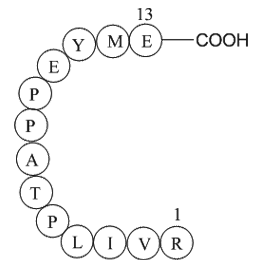
Our extensive preliminary data suggest that the loss of p300 (and resulting H3K27ac) is related to inorganic arsenic related diseases. Therefore, it may open a new avenue for alleviating the consequence of H3K27ac, for example, via boosting CBP enzymatic activity for at least partially compensating
-
These and other observations presented in the elegant rigoro
2022-03-01

These and other observations presented in the elegant, rigorous study by Thomas et al. (2018) clarify a puzzling enigma regarding the Rab specificities of yeast TRAPP complexes and further highlight an important though under-appreciated role for the C-terminal HVD of Rabs in GEF substrate selection.
-
br Lysophosphatidylinositol LPI LPI is a subspecies of
2022-03-01
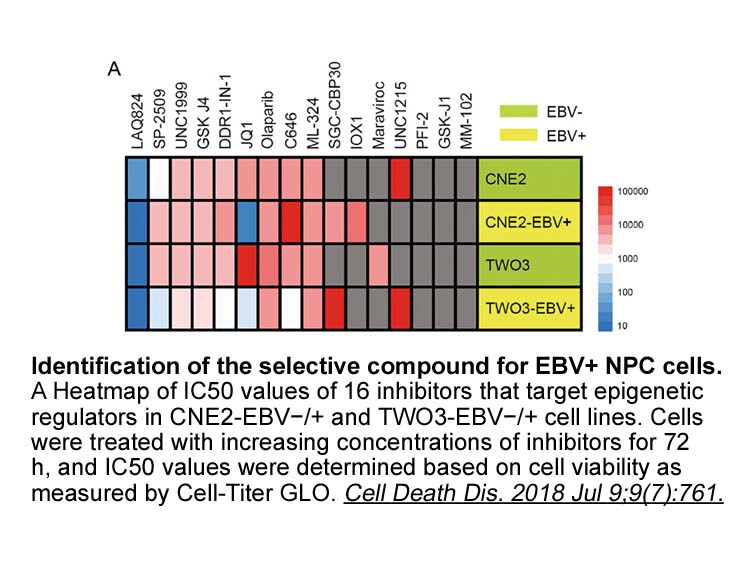
Lysophosphatidylinositol (LPI) LPI is a subspecies of lysophospholipid consisting of inositol as its head group, one glycerol molecule and one acyl chain (Piñeiro and Falasca, 2012). The biosynthesis of this lipid starts from Phosphatidylinositol (PI) and is catalysed by the enzymes phospholipase
-
br Acknowledgements This work was supported by the Science a
2022-02-28
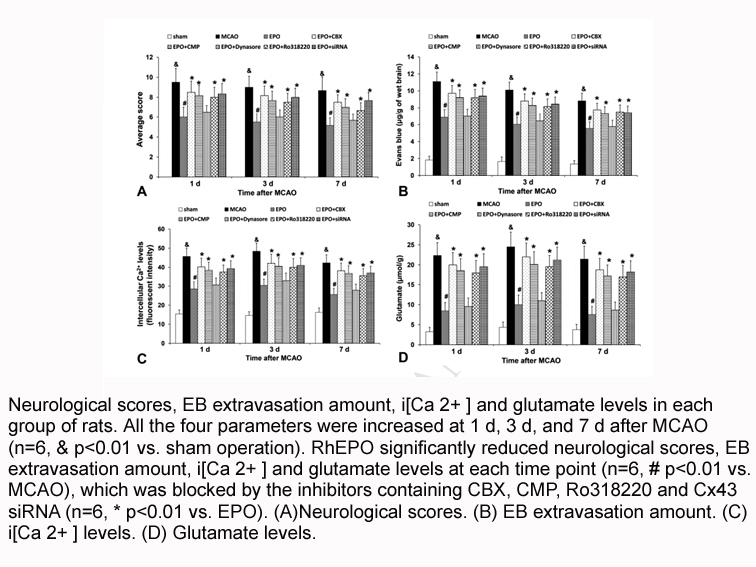
Acknowledgements This work was supported by the Science and Technology Department of Hubei Province (No.2016CFB368) and the National Natural Science Foundation of China (No. 81201053). Introduction L-Glutamate (glutamate) is the most important excitatory neurotransmitter of the central nervou
-
Epidemiological evidence indicates that neuroinflammation
2022-02-28
Epidemiological evidence indicates that neuroinflammation plays a pivotal role in pathogenesis of AD (Heneka et al., 2015, Heneka et al., 2013, Holmes et al., 2009, Liu et al., 2016). For example, prolonged treatment with nonsteroidal anti-inflammatory drugs reduces the risk of developing AD (In et
-
br Conclusion br Ethics statements file br Conflict of
2022-02-28

Conclusion Ethics statements file Conflict of interest Acknowledgements This study was supported by the National Research Foundation of Korea (NRF) Grant funded by the Korean Government (MSIP) (Nos. 2011-0030074 and 2018R1D1A3B07050361) and Sookmyung Women’s University Specialization Pro
-
In total strains with relatively rapid acid producing
2022-02-28
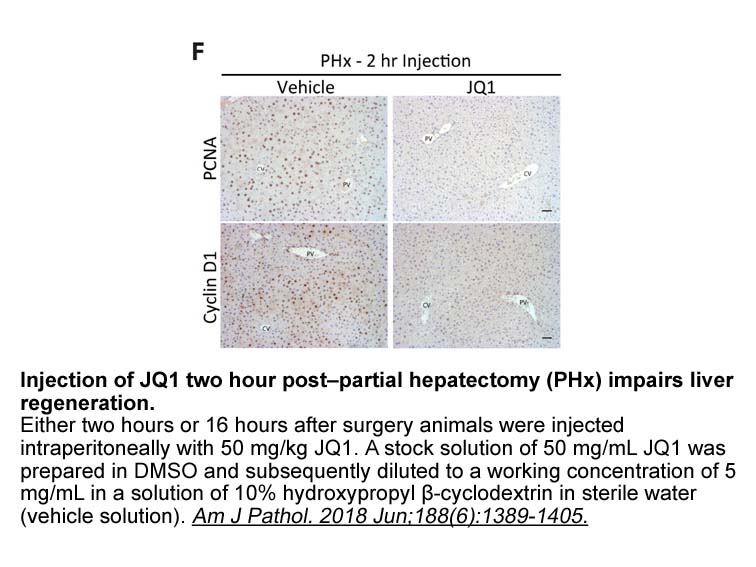
In total, 5 strains with relatively rapid acid-producing ability (MA14, 15M2, DQHXNQ38–12, 5G2, and 6G5) were selected for further analysis. Compared with the strains ATCC19435, ZN8, and D-XJ4–12, which were used as controls, these 5 strains exhibited significantly different growth and titratable ac
-
br Role of FPRs in
2022-02-28
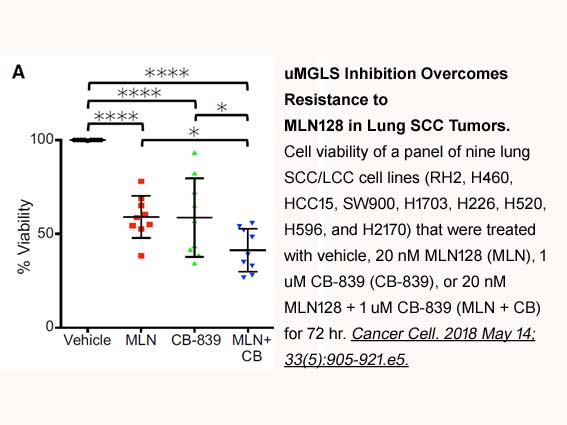
Role of FPRs in regulating the inflammatory response Annexin I is a glucocorticoid-regulated protein possessing both pro- and anti-inflammatory activity that might be mediated, in part, by FPR activation [35]. Expressed in a variety of cell types, annexin I is particularly abundant in neutrophils
-
PBI is an agonist of
2022-02-28
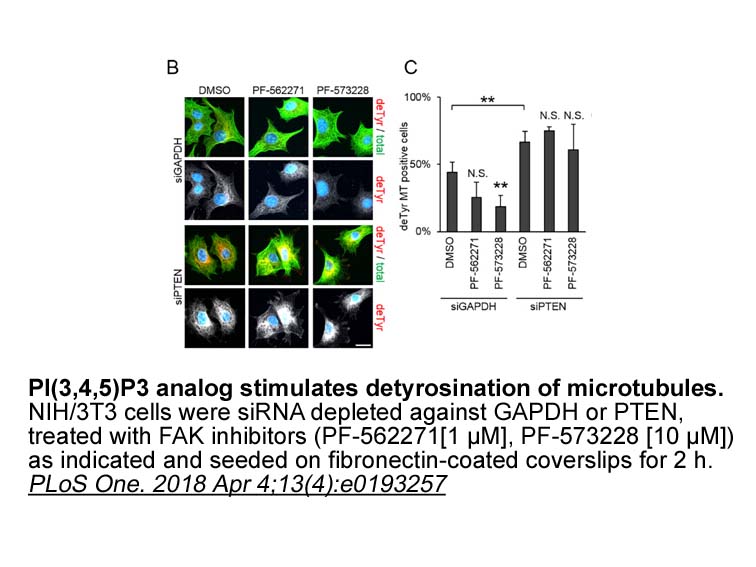
PBI-4050 is an agonist of GPR40 and acts as an antagonist or inverse agonist of GPR84. It cannot be excluded that other targets besides GPR40 and GPR84 could be implicated in the mechanism of action of PBI-4050 and could be explored in future studies. However, the present study, and in particular th
-
This SAR work led to the identification of compound r
2022-02-28
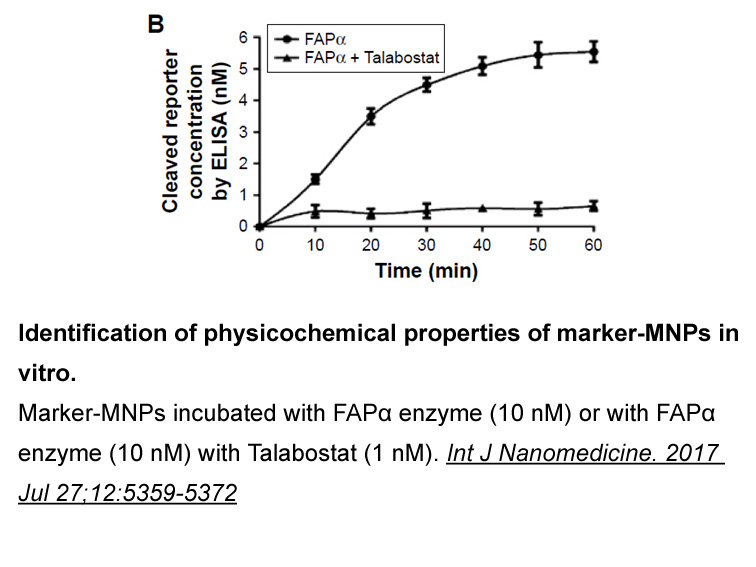
This SAR work led to the identification of compound 10r ((±)-2-[3-fluoro-4-[3-(hexylcarbamoyloxy)phenyl]phenyl]propanoic acid, ARN2508) [51] as a potent in vivo active inhibitor of intracellular FAAH and COX activities, which exerts profound anti-inflammatory effects in mouse models of IBD without c
-
LB-100 br Introduction Currently HIV infection treatment gui
2022-02-28
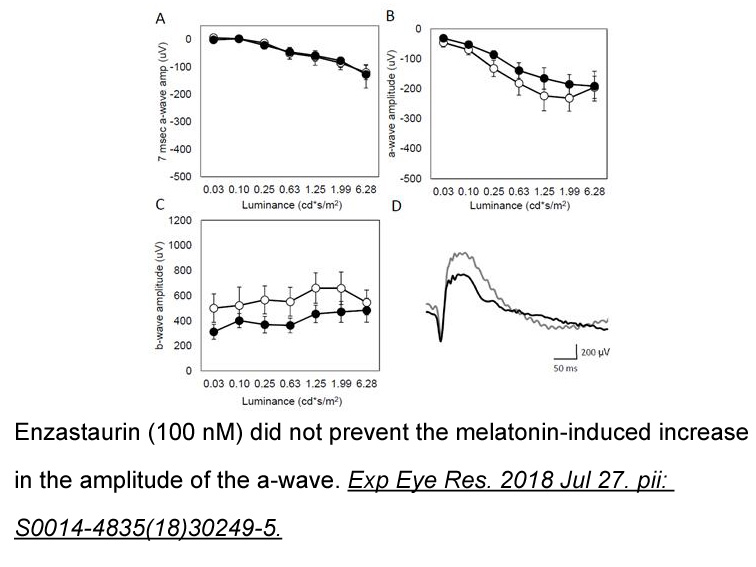
Introduction Currently, HIV-1 infection treatment guidelines adopted in USA and EU provide for the simultaneous administration of three antiretroviral drugs (HAART “Highly Active Anti-Retroviral Therapy”) in severely compromised patients [[1], [2], [3]]. Coupling at least two different mechanisms
-
Acknowledgements br Introduction Histamine mediates various
2022-02-28
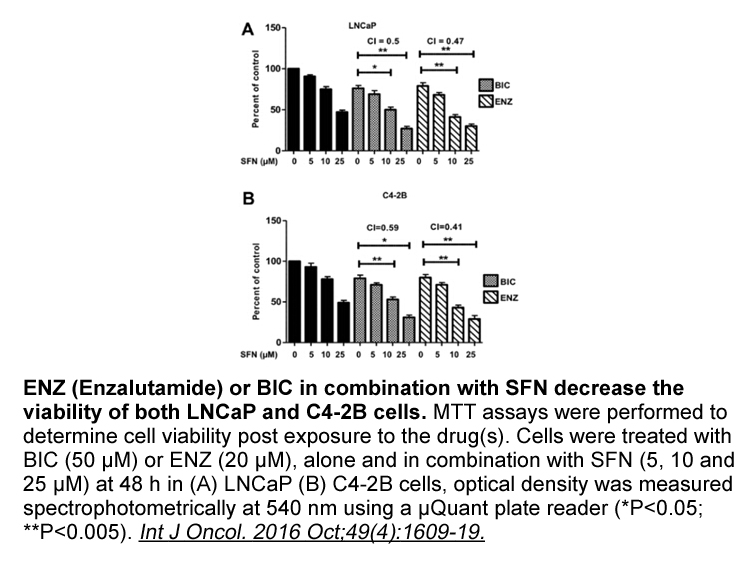
Acknowledgements Introduction Histamine mediates various physiological functions and pathological actions through its interactions with histamine receptors that belong to the superfamily of seven transmembrane G-protein-coupled receptors (GPCRs) (Haas et al., 2008). Four histamine receptor subty
-
Relative to the impact of moderate PAE on
2022-02-28
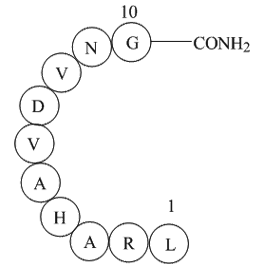
Relative to the impact of moderate PAE on markers of histaminergic neurotransmission, there were four salient observations from the studies reported here. First, it does not appear that moderate PAE affects the number of HDC-positive neurons in the tuberomammillary nucleus of the ventral hypothalamu
-
br Acknowledgements br Introduction Type diabetes is
2022-02-26
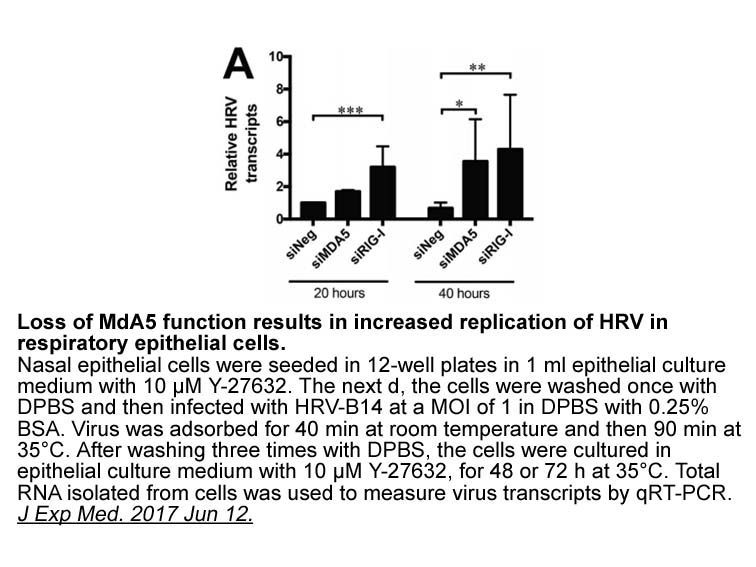
Acknowledgements Introduction Type 2 diabetes is a progressive metabolic disorder which is characterised by chronic hyperglycaemia due to relative insulin deficiency, insulin resistance and increased hepatic glucose production [1]. The metabolism of glucose by glycolysis increases the ATP:ADP
-
Spatial working memory improved in the Balb c
2022-02-26
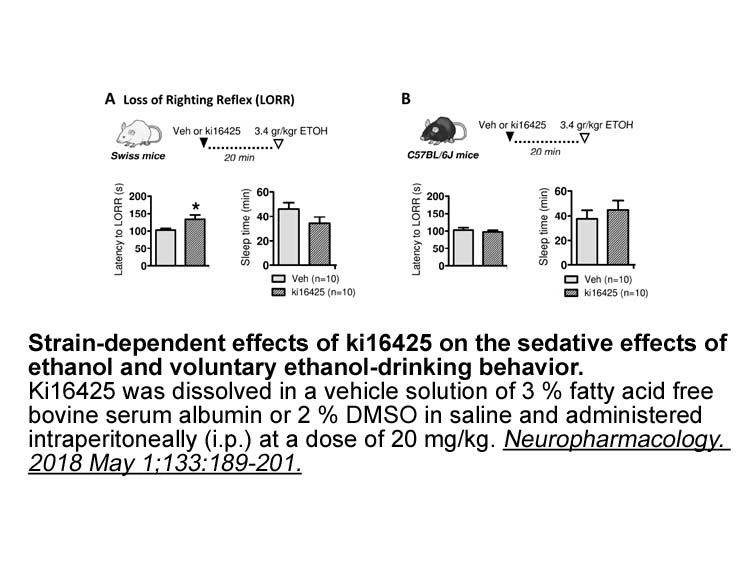
Spatial working memory improved in the Balb/c strain at a dose of VU0410120 (i.e., 30mg/kg) that disrupted spatial working memory in the Swiss Webster comparator strain. Consistent with a recent PET study in rhesus macaques suggesting a relationship between the extent of the dose-dependent occupancy
8018 records 499/535 page Previous Next First page 上5页 496497498499500 下5页 Last page