Archives
- 2026-07
- 2026-06
- 2026-05
- 2026-04
- 2026-03
- 2026-02
- 2026-01
- 2025-12
- 2025-11
- 2025-10
- 2025-09
- 2025-03
- 2025-02
- 2025-01
- 2024-12
- 2024-11
- 2024-10
- 2024-09
- 2024-08
- 2024-07
- 2024-06
- 2024-05
- 2024-04
- 2024-03
- 2024-02
- 2024-01
- 2023-12
- 2023-11
- 2023-10
- 2023-09
- 2023-08
- 2023-06
- 2023-05
- 2023-04
- 2023-03
- 2023-02
- 2023-01
- 2022-12
- 2022-11
- 2022-10
- 2022-09
- 2022-08
- 2022-07
- 2022-06
- 2022-05
- 2022-04
- 2022-03
- 2022-02
- 2022-01
- 2021-12
- 2021-11
- 2021-10
- 2021-09
- 2021-08
- 2021-07
- 2021-06
- 2021-05
- 2021-04
- 2021-03
- 2021-02
- 2021-01
- 2020-12
- 2020-11
- 2020-10
- 2020-09
- 2020-08
- 2020-07
- 2020-06
- 2020-05
- 2020-04
- 2020-03
- 2020-02
- 2020-01
- 2019-12
- 2019-11
- 2019-10
- 2019-09
- 2019-08
- 2019-07
- 2019-06
- 2019-05
- 2019-04
- 2018-07
-
In conclusion our work demonstrates for the
2022-07-07

In conclusion, our work demonstrates for the first time that (i) SA-β-gal activity is abundantly present in the gamete cells, such as oocytes and eggs, (ii) the enzyme resides in different cell compartments, (iii) SA-β-gal activity is localized predominantly in acidic endosomal yolk platelets, and (
-
LXRs are physiological regulators of cholesterol and lipid
2022-07-07
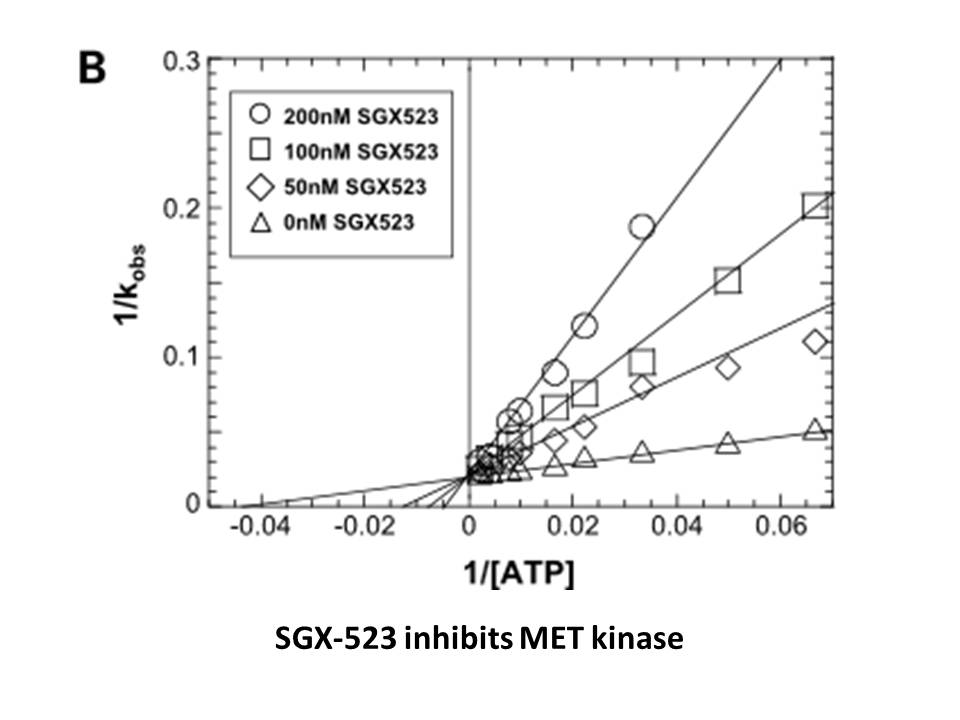
LXRs are physiological regulators of cholesterol and lipid metabolism and influence glucose metabolism. In addition, they have been shown to repress transcription of certain pro-inflammatory genes (Jakobsson et al., 2012; Ogawa et al., 2005; Terasaka et al., 2005). Thus, LXRs can either activate or
-
Thiazovivin Recently there are only a
2022-07-07
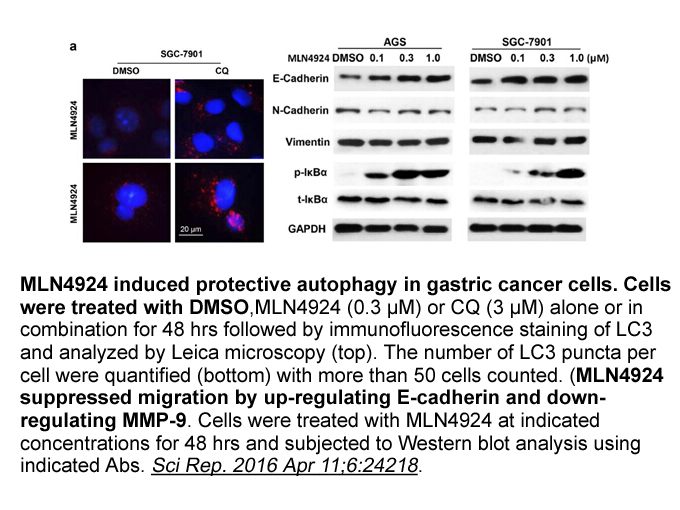
Recently, there are only a spot of FFA4 agonists reported in the literature (Fig. 1),13, 14, 15 and there is no selective FFA4 agonists have reached clinical trial for the treatment of T2DM. TUG-891, the first potent and selective FFA4 agonist, was developed in University of Southern Denmark as a wi
-
Griseofulvin The receptor binding assay used in
2022-07-07
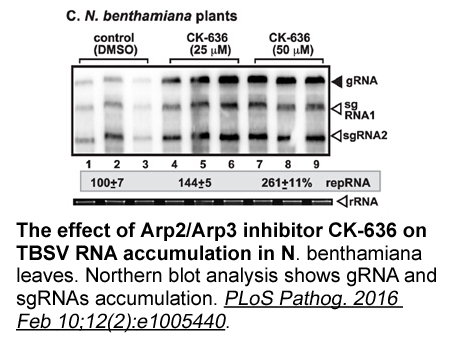
The receptor binding assay used in our previous study demonstrated that propofol competitively binds to FPR1, thus blocking the downstream signal transduction of FPR1 and inhibiting neutrophil immune activities [8]. In this study, we assessed the pharmacological action of fMMYALF in the presence of
-
Natural product based drug discovery can be enhanced with
2022-07-07

Natural-product-based drug discovery can be enhanced with computational methods [205]. Because most of the reported small-molecule natural inhibitors of fMLF-induced functional responses were not evaluated in dapagliflozin receptor binding assays, we used molecular modeling to predict how well thes
-
trovafloxacin sale In skeletal as well as in the heart
2022-07-07
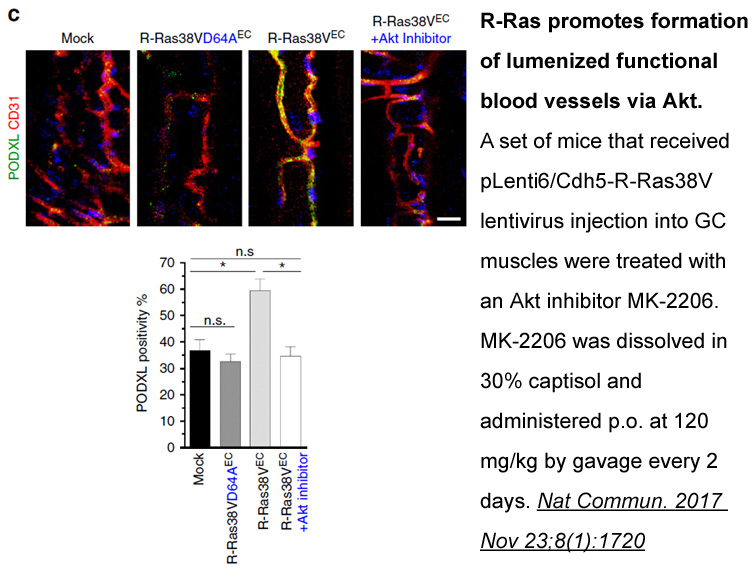
In skeletal as well as in the trovafloxacin sale muscle, the same FBPase isozyme is present (Gizak and Dzugaj, 2003). On the other hand, different isoforms of 6-fructo-2 kinase/fructose-2,6-bisphosphatase (FBPase-2/PFK-2) have been discovered in muscle fibres and cardiomyocytes (Okar et al., 2001,
-
br Acknowledgments This research was supported by
2022-07-07
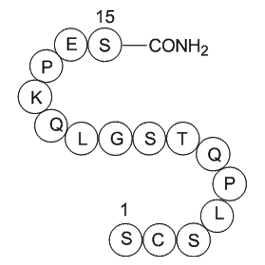
Acknowledgments This research was supported by the National Institutes of Health Grants GM58442 and GM084152, as well as the National Institutes of Health Predoctoral Training Grant 5T32GM008700-13. We thank Eric Oldfield (University of Illinois, Urbana-Champaign) for providing the FDPS inhibitor
-
perifosine Consistent with our result Camacho Barquero and c
2022-07-07
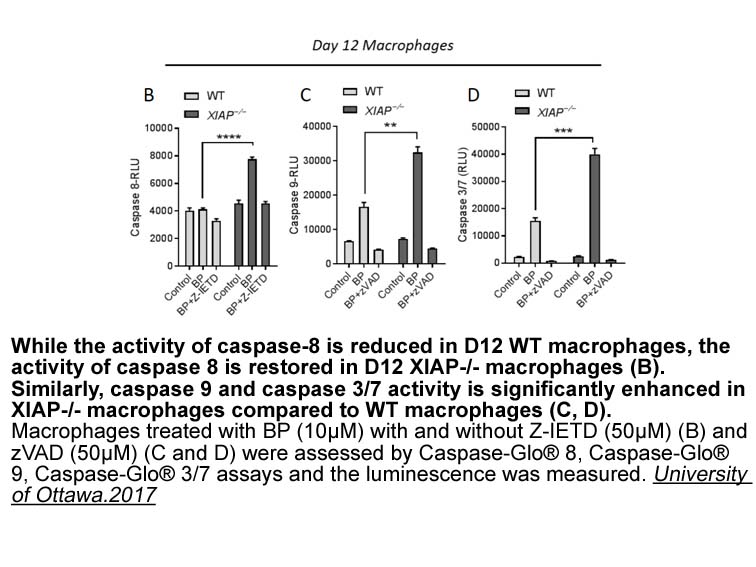
Consistent with our result, Camacho-Barquero and coworkers showed that curcumin reduced phospho-P38 MAPK. P-38 MAPK is a key effector of several downstream factors that eventually modulate the homing of monocytic cells during the onset of intestine inflammation (Camacho-Barquero et al., 2007). Along
-
doxercalciferol Sperm exocytosis or acrosome reaction AR is
2022-07-06

Sperm exocytosis or acrosome reaction (AR) is a regulated secretion with special characteristics essential for fertilization. The AR relies on the same highly conserved molecules that drive intracellular membrane fusion and exocytosis in all other doxercalciferol (see [59] for a recent review). Two
-
br Recently MST emerged as a critical regulator of
2022-07-06
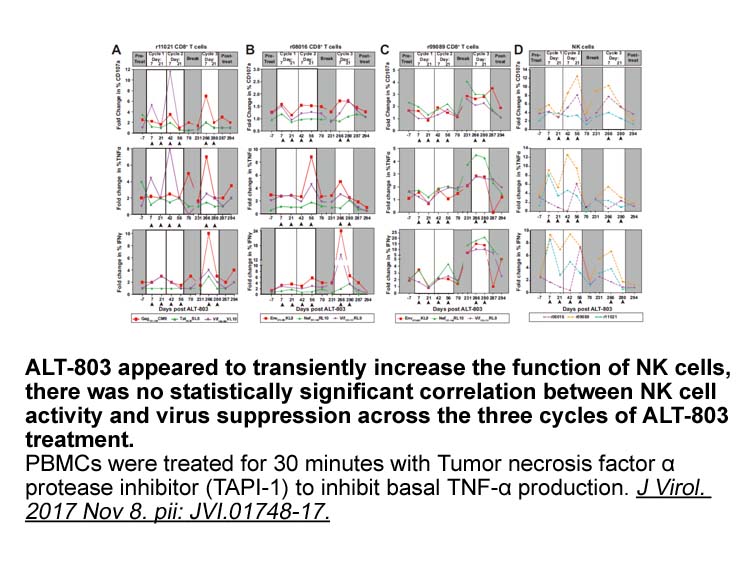
Recently, MST1 emerged as a critical regulator of leukocyte function and autoimmunity in humans. Five independent groups reported on autosomal recessive nonsense mutations in the gene STK4 (which encodes for MST1) in human patients with a novel primary immunodeficiency disease (PID), now called ST
-
br Conflict of interest br Funding This work was supported
2022-07-06
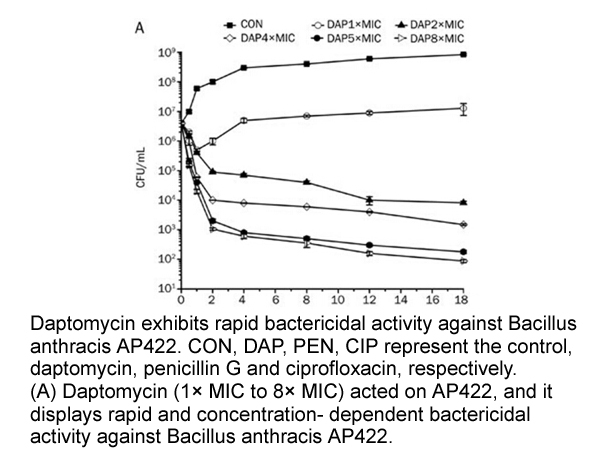
Conflict of interest Funding This work was supported by the National Institutes of Health MSK Cancer Center Support Grant/Core Grant [P30 CA008748]. The funding source had no involvement in the study design; in the collection, analysis and interpretation of data; in the writing of the report;
-
It is important to note that upon RIG I
2022-07-06
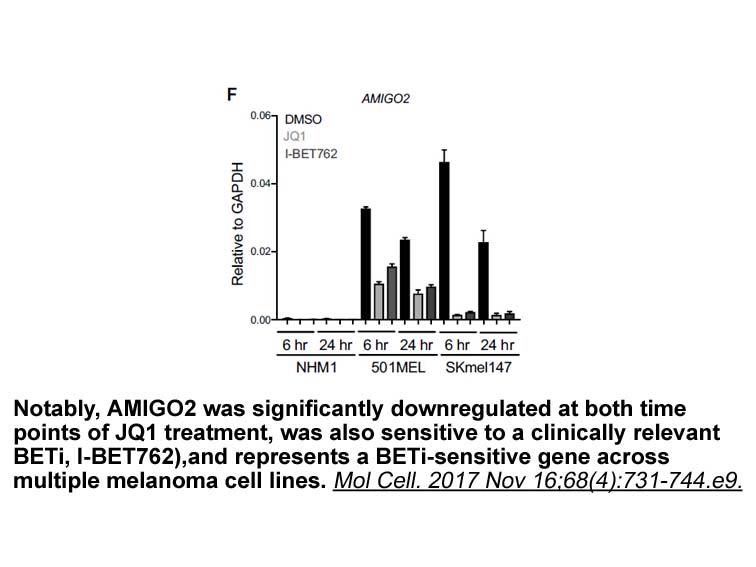
It is important to note that upon RIG-I activation, IRF-3, p38, and ERK were activated by 3p-siHBx, leading to upregulated IFN response (Fig. 6). This suggests that 3p-siHBx has specific effects on HBV replication. In addition, 3p-siHBx induced type III IFN response (Fig. 6D), which could also inhib
-
Multiple studies from our laboratory
2022-07-06
Multiple studies from our laboratory and others, which have used stoichiometric kinetic analyses of ANP/NPRA, have provided strong evidence that bound ligand-receptor complexes are internalized and processed intracellularly, and that degraded products are released into the culture medium of various
-
mimosine br Materials and methods br Results br Discussion
2022-07-06
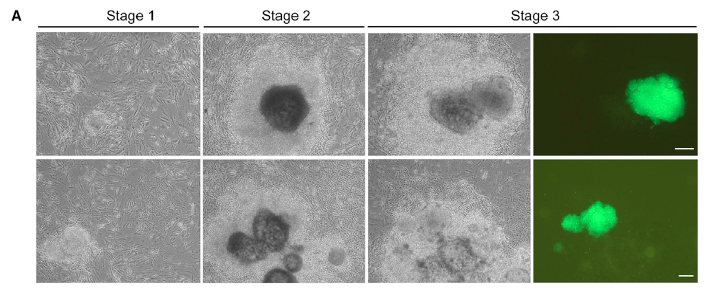
Materials and methods Results Discussion Recently, we characterized the interaction of the PH domains of various Lbc family RhoGEFs with the activated small GTPase, RhoA, and demonstrated that this could serve as a positive feedback mechanism for robust activation of RhoA (Medina et al., 20
-
We show that pharmacological inactivation of GSTP over a
2022-07-06
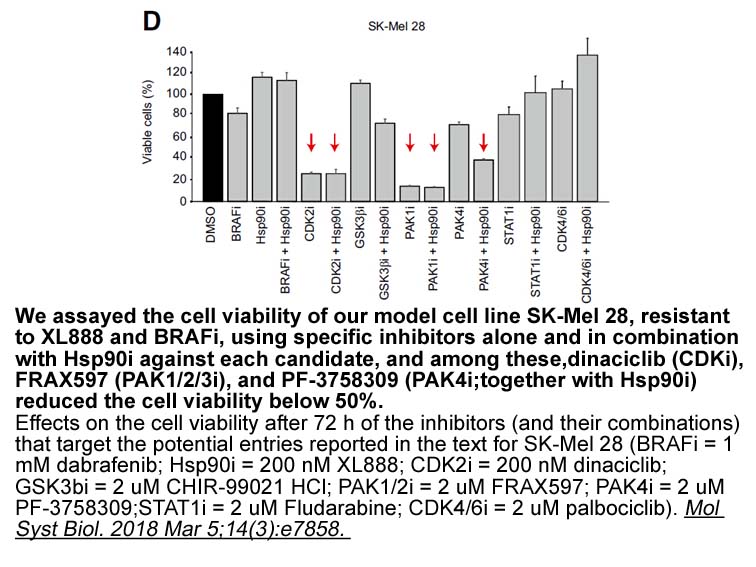
We show that pharmacological inactivation of GSTP1 over a sustained period does not show any observable toxicity, and not only prevents breast tumor growth but even slows established breast tumor growth in mice. A highly potent GSTP1 inhibitor, ezatiostat (developed by Telik Inc.) has passed phase I
15758 records 422/1051 page Previous Next First page 上5页 421422423424425 下5页 Last page