Archives
- 2026-07
- 2026-06
- 2026-05
- 2026-04
- 2026-03
- 2026-02
- 2026-01
- 2025-12
- 2025-11
- 2025-10
- 2025-09
- 2025-03
- 2025-02
- 2025-01
- 2024-12
- 2024-11
- 2024-10
- 2024-09
- 2024-08
- 2024-07
- 2024-06
- 2024-05
- 2024-04
- 2024-03
- 2024-02
- 2024-01
- 2023-12
- 2023-11
- 2023-10
- 2023-09
- 2023-08
- 2023-06
- 2023-05
- 2023-04
- 2023-03
- 2023-02
- 2023-01
- 2022-12
- 2022-11
- 2022-10
- 2022-09
- 2022-08
- 2022-07
- 2022-06
- 2022-05
- 2022-04
- 2022-03
- 2022-02
- 2022-01
- 2021-12
- 2021-11
- 2021-10
- 2021-09
- 2021-08
- 2021-07
- 2021-06
- 2021-05
- 2021-04
- 2021-03
- 2021-02
- 2021-01
- 2020-12
- 2020-11
- 2020-10
- 2020-09
- 2020-08
- 2020-07
- 2020-06
- 2020-05
- 2020-04
- 2020-03
- 2020-02
- 2020-01
- 2019-12
- 2019-11
- 2019-10
- 2019-09
- 2019-08
- 2019-07
- 2019-06
- 2019-05
- 2019-04
- 2018-07
-
SLx-2119 br Materials and methods br Results br
2024-08-20
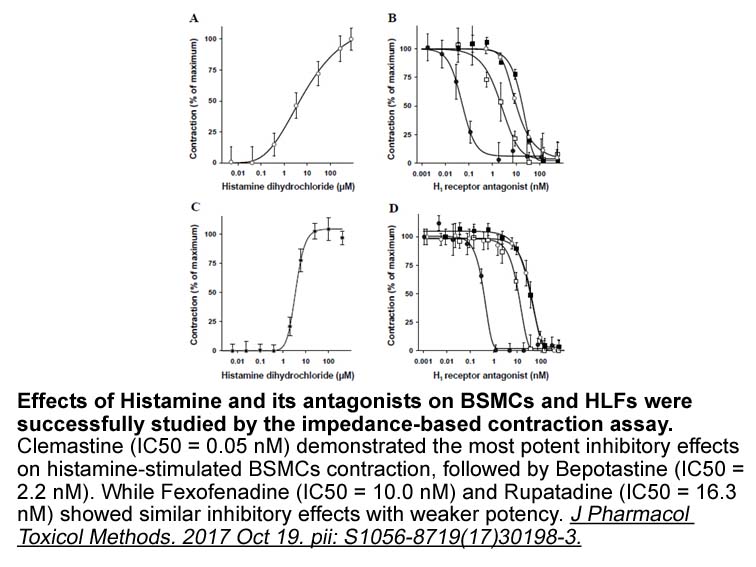
Materials and methods Results Discussion Recently, we showed that stimulation of TRPM3 and TRPC6 channels triggers a signaling cascade leading to the activation of AP-1 [11], [12], [13], [15]. The objective of this study was to investigate whether stimulation of TRPV1 channels leads to an a
-
br HMGB proteins and chromatin structure The multifaceted ro
2024-08-20

HMGB proteins and chromatin structure The multifaceted roles played by HMGB (formerly called HMG-1 and -2) proteins in modulating chromatin structure, gene transcriptional activity and cellular phenotype have been covered in a number of recent reviews and readers are referred to these for in-dept
-
Experimentally the ECD spectrum of showed three ECD
2024-08-20
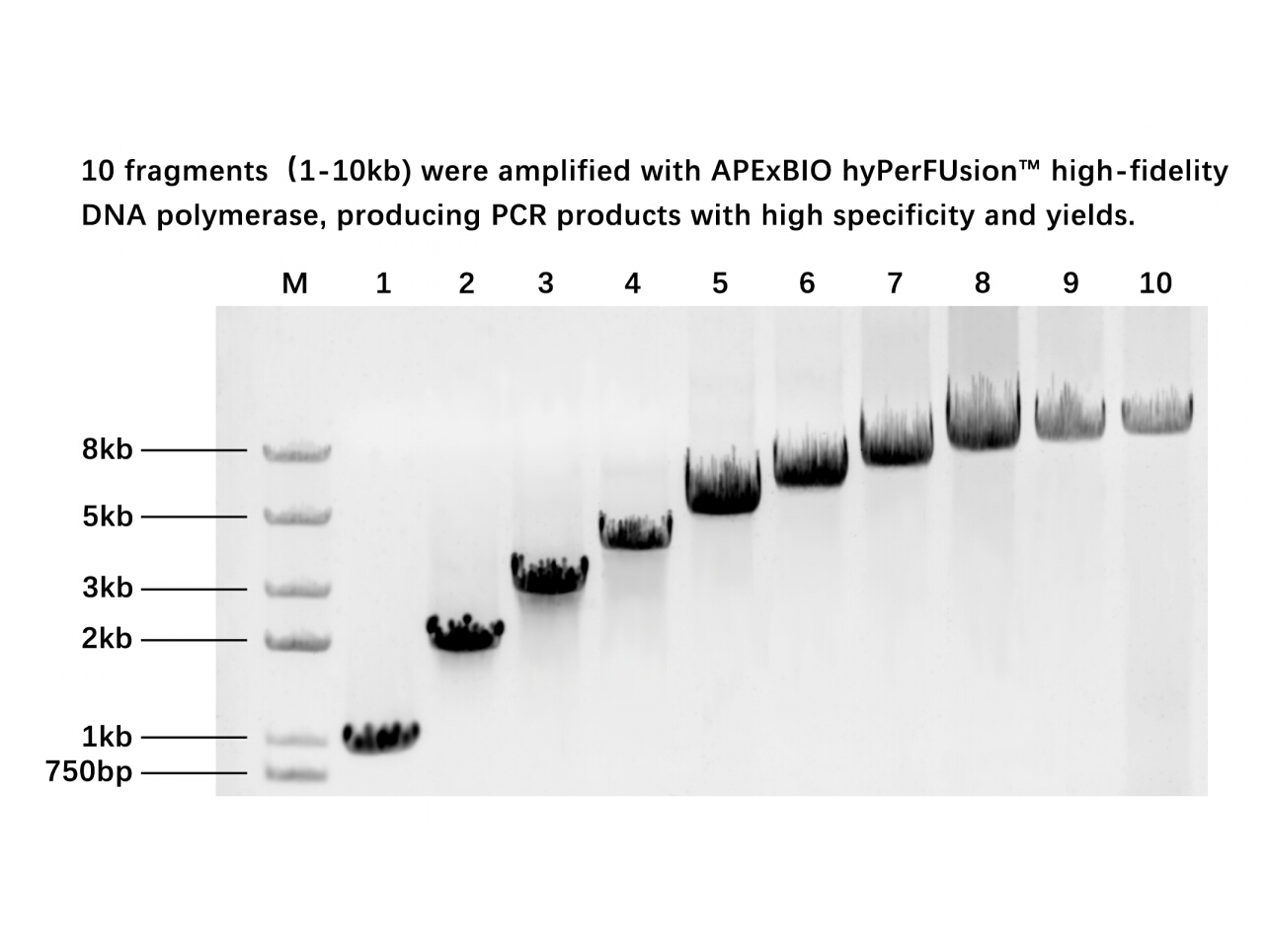
Experimentally, the ECD spectrum of 1 showed three ECD bands: positive ones at 260 and 200nm, and a negative one at 230nm (Fig. 4). Meanwhile, there is only one broad positive ECD band starting from 300nm in the ECD spectrum of 2. ECD spectra of 1 and its derivatives attracted great interest because
-
UMI-77 AMPK is a cellular energy sensor that is phosphorylat
2024-08-20
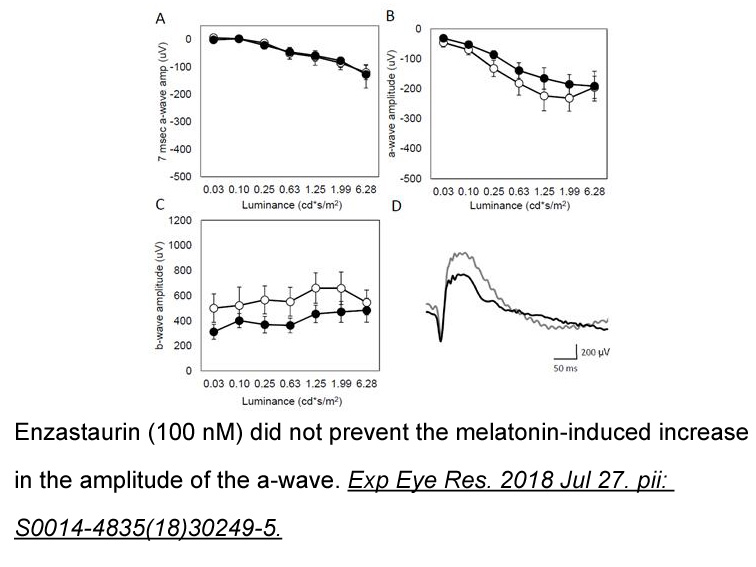
AMPK is a cellular energy sensor that is phosphorylated in response to high intracellular ADP levels to increase GLUT4 translocation into the cell, and subsequently, increase intracellular glucose levels to provide substrate to replenish ATP levels [25]. In metabolic syndrome, sequestration of plas
-
The Nagoya Heart Study enrolled patients with hypertension
2024-08-20
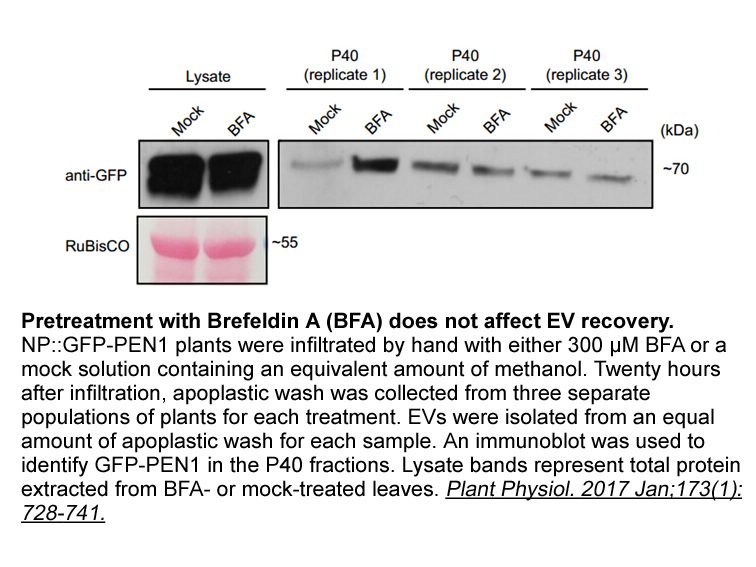
The Nagoya Heart Study enrolled patients with hypertension and type 2 diabetes or impaired PNU-120596 tolerance (12). Patients were randomized to valsartan- or amlodipine-based regimens with a BP target of ≤130/80 mmHg. The primary outcome was a composite of sudden cardiac death, myocardial infarct
-
We also found that the size of
2024-08-20
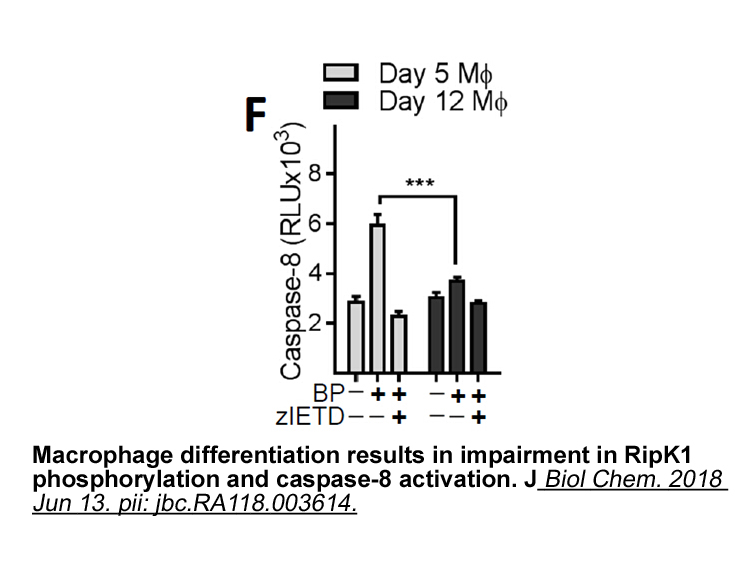
We also found that the size of mEPSC amplitude was reduced in unc-43 mutants, consistent with the decrease in synaptic GLR-1/GLR-2 heteromeric receptors. The decrease in mEPSC amplitude was not as great as that observed when measuring current in response to pressure application of glutamate. These d
-
br Results We set out to identify in
2024-08-20
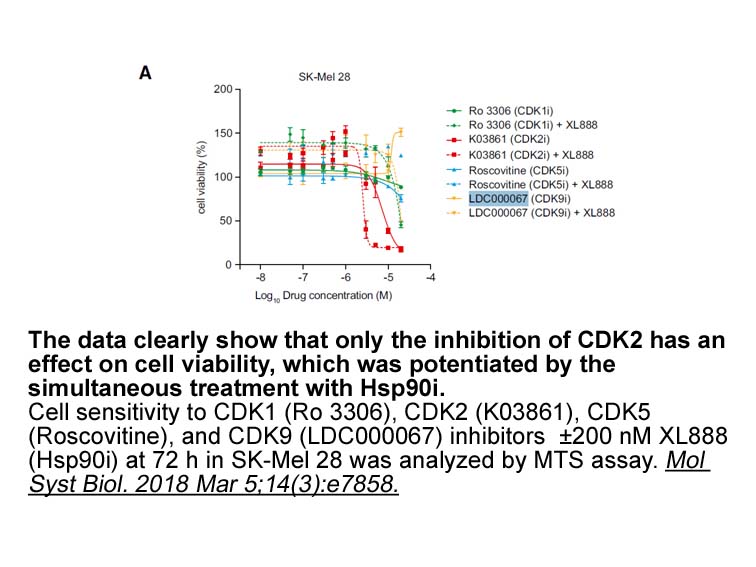
Results We set out to identify in an unbiased manner a set of candidate “scaling factors” that might participate in transcription-dependent synaptic scaling up. The ex vivo slice and profiling studies were conducted on HsCt5 mice (described later) at postnatal day (P) 14 to P15, an age at which s
-
br The lipoxygenase pathway and microvascular
2024-08-20
The 12/15-lipoxygenase pathway and microvascular complications of diabetes The 12/15-lipoxygenase pathway in adipose tissue Only recently has adipose tissue been recognized as a highly metabolically active endocrine organ imparting profound local and systemic inflammatory effects. Adipose tiss
-
In pancreatic islets we found an
2024-08-20
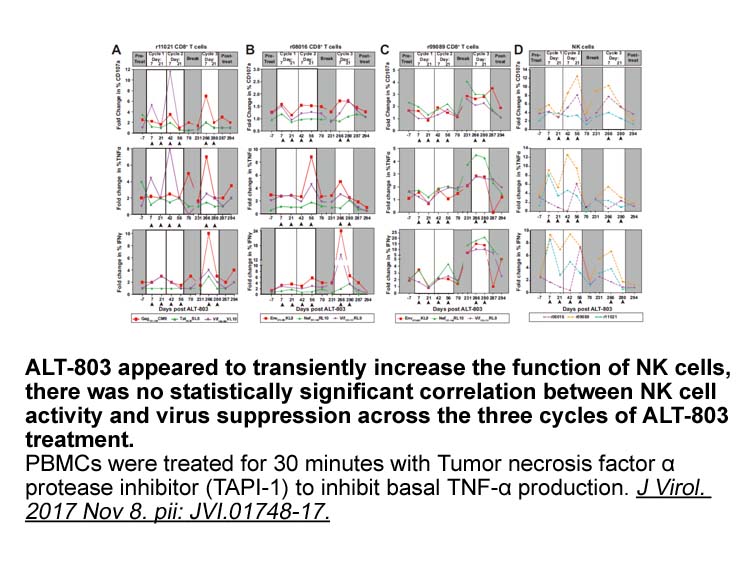
In pancreatic islets we found an increase in protein expression of leukocyte 12/15-LO that paralleled the metabolic decline characterized by severe hyperglycemia and reduced islet numbers. Similar increase in 12/15-LO expression by Western blot was found in the control mice, which have a normal meta
-
Aldose reductase ALR EC the first
2024-08-20
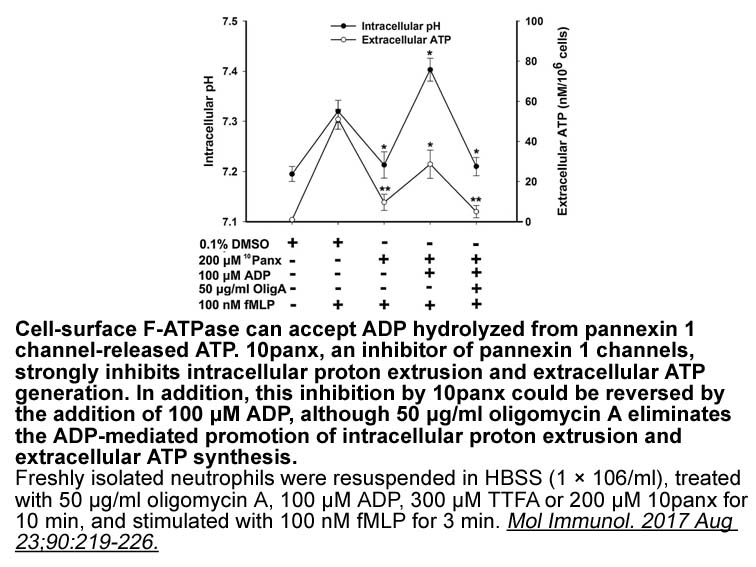
Aldose reductase (ALR2, EC1.1.1.21), the first enzyme in the polyol pathway, is a monomeric oxidoreductase that catalyses the NADPH-dependent reduction of a wide variety of carbonyl compounds, especially glucose. In this metabolism pathway, glucose is firstly reduced to sorbitol catalyzed by ALR2 wi
-
br Conclusion br Conflict of interest br
2024-08-20
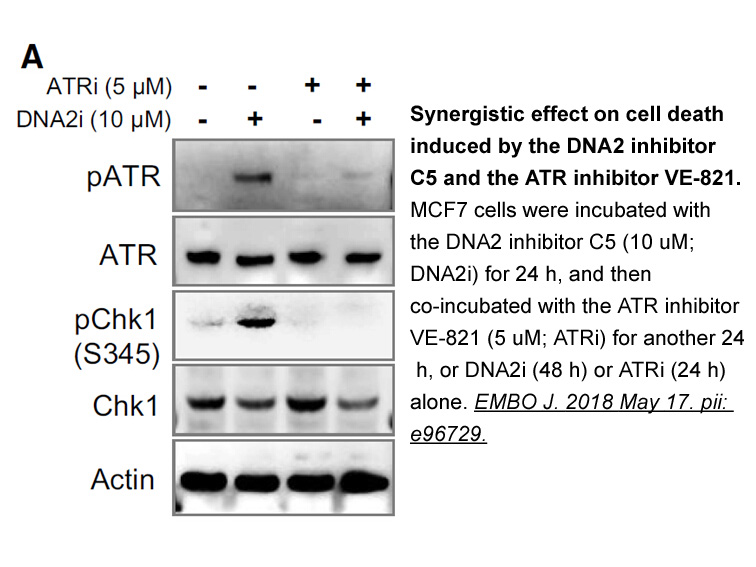
Conclusion Conflict of interest Introduction Oral cancer may originate from lips, lower and upper alveolar ridges, hard palate, sublingual region, buccal mucosa, anterior two-thirds of the tongue as well as retromolar trigone and floor of the mouth (World Health Organization, 2013). As the
-
br Introduction Our ability to see our
2024-08-20
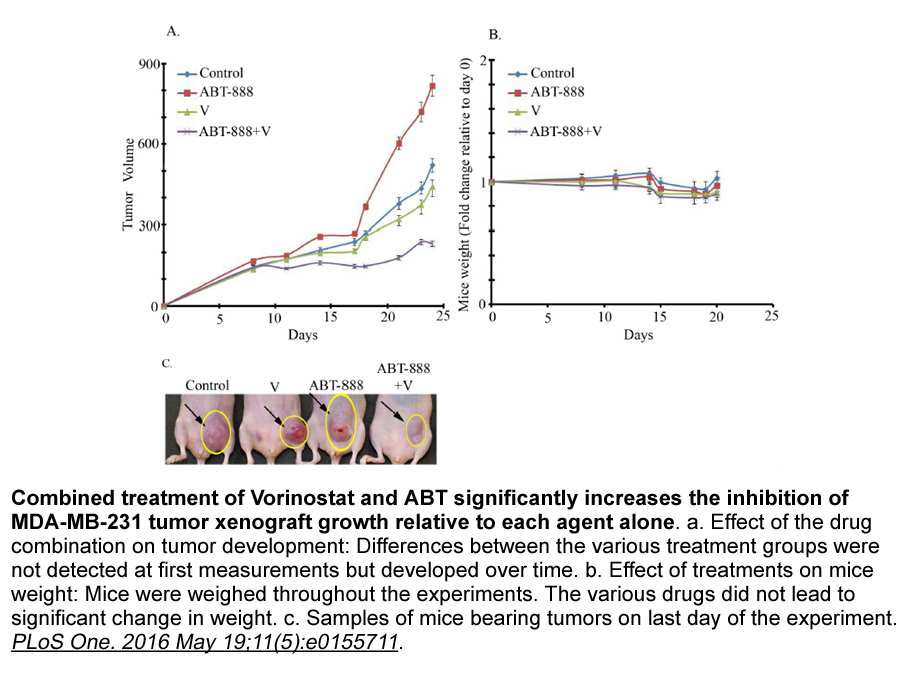
Introduction Our ability to see our surrounding relies directly on the integrity of the anatomical structures composing our eyes. One of these key components is the cornea, consisting of the outer layer of the eye. Its transparency is crucial for light transmission to the retina and allows proper
-
In conclusion we show that HBP is phosphorylated
2024-08-20
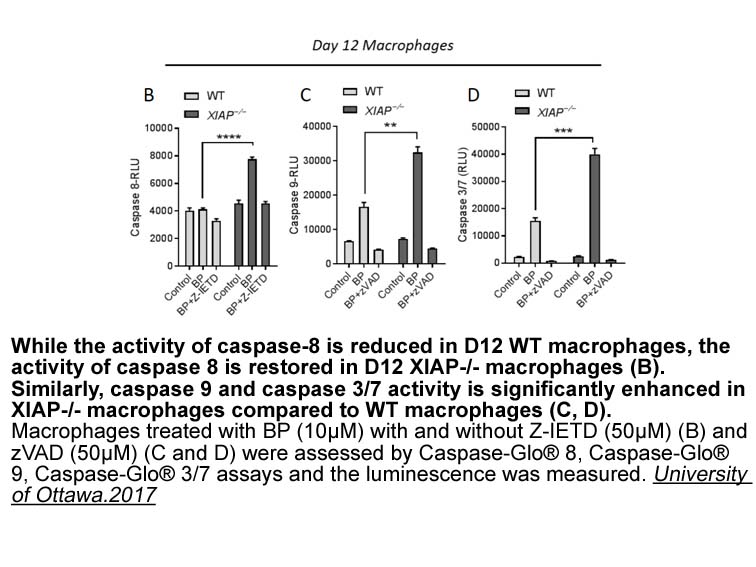
In conclusion, we show that HBP1 is phosphorylated on three sites, which control HBP1 transcriptional activity and glioblastoma cell proliferation. This phosphorylation largely depends on AKT, although other kinases may also be involved. In a previous study, we had shown that the PI3K-AKT pathway re
-
Microbe derived ligands can also activate AHR Malassezia a
2024-08-20
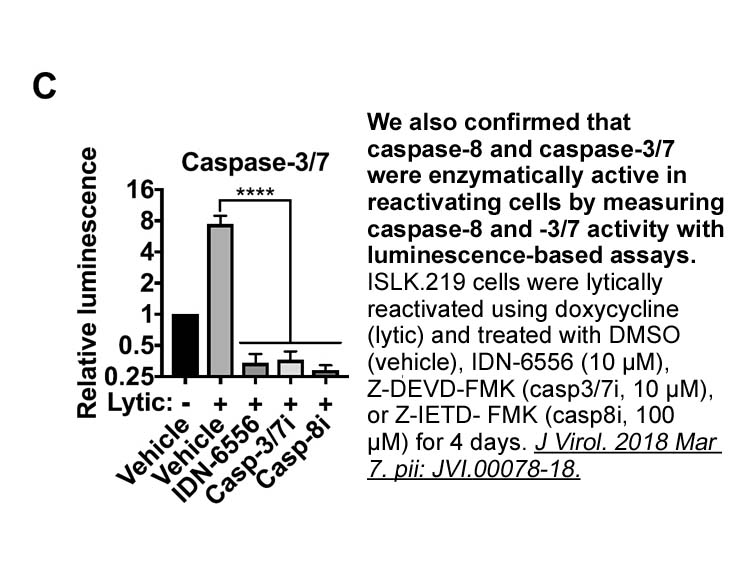
Microbe-derived ligands can also activate AHR. Malassezia, a commensal yeast in human skin, can metabolize tryptophan into several AHR activating compounds including FICZ and ICZ [59]. Lactobacillus converts tryptophan into indole-3-aldehyde (IAld), which can activate AHR and promote IL-22 productio
-
The lack of specific PARP inhibitors prevents our understand
2024-08-20
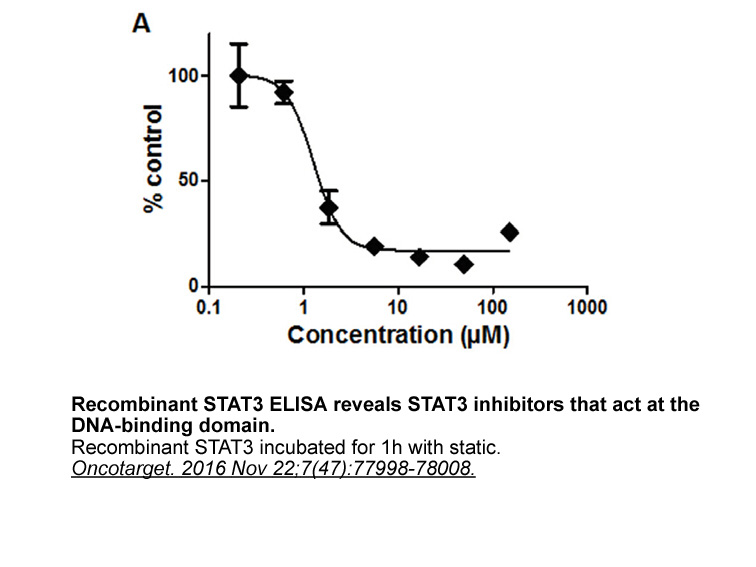
The lack of specific PARP inhibitors prevents our understanding of how TIPARP or perhaps other PARPs affect AHR signaling. Current inhibitors are based on NAM and were designed to inhibit PARP1 [59]. Many of them do not effectively inhibit mono-ADP-ribosyltransferases and their ability to inhibit TI
15751 records 122/1051 page Previous Next First page 上5页 121122123124125 下5页 Last page